


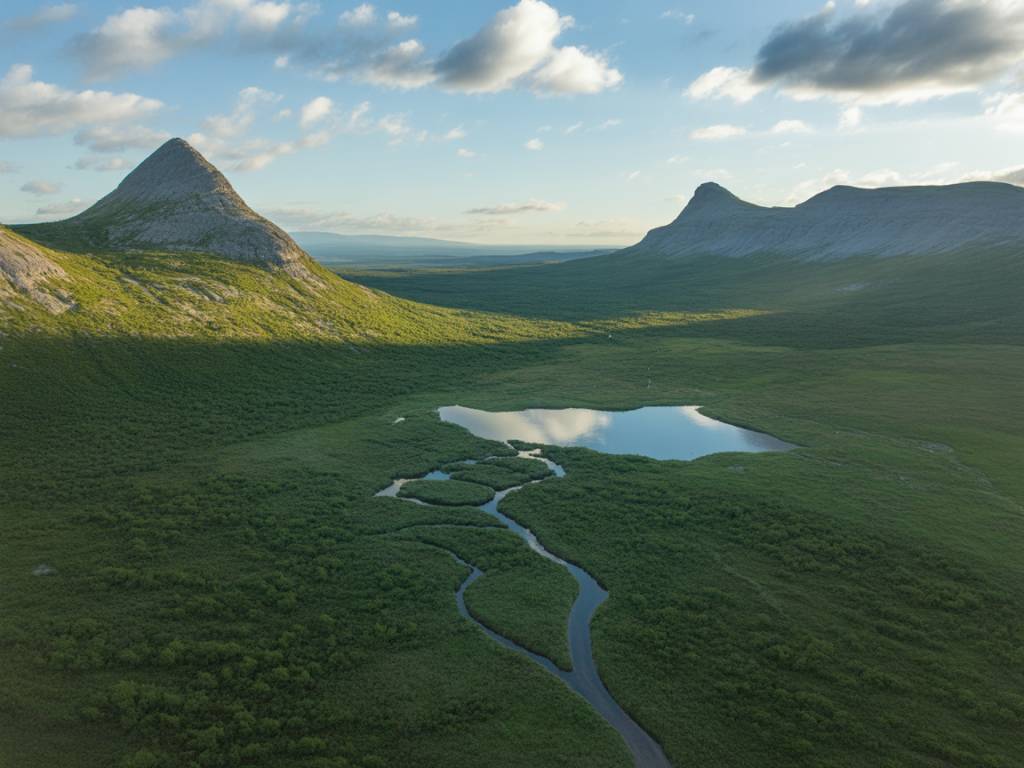
Understanding Nature-Based Carbon Removal
Nature-based carbon removal sits at the intersection of climate mitigation and ecosystem restoration. Instead of relying solely on engineered solutions like direct air capture, nature-based strategies leverage ecosystems such as forests, peatlands, wetlands and oceans to absorb and store atmospheric carbon dioxide. Among these approaches, rewilding is increasingly highlighted as a transformative tool for carbon sequestration, biodiversity recovery and landscape resilience.
As governments, companies and financial institutions search for credible pathways to net-zero emissions, nature-based solutions are attracting attention in climate policy debates and voluntary carbon markets. Yet not all projects deliver the same climate and ecological benefits, and questions about monitoring, permanence and social impacts remain. Evaluating rewilding through a critical lens is essential for understanding its real potential as a climate and biodiversity solution.
What Is Rewilding?
Rewilding is a conservation approach focused on restoring natural processes and ecological dynamics rather than simply protecting individual species. It typically emphasizes minimal human intervention, allowing ecosystems to regenerate and evolve with reduced management. In practice, rewilding may involve:
- Allowing marginal agricultural land to return to semi-natural habitats
- Reintroducing missing keystone species such as large herbivores or predators
- Removing infrastructure that fragments habitats, such as fences, dams or drainage systems
- Reducing intensive land management practices like monoculture forestry, heavy grazing or pesticide use
The goal is not to recreate a specific historical baseline, but to re-establish ecological functions such as natural predation, seed dispersal, nutrient cycling and disturbance regimes (for example, flooding or natural fire cycles). When these processes resume, ecosystems often become more structurally complex, more biodiverse and more capable of storing carbon over the long term.
Rewilding as a Nature-Based Carbon Removal Strategy
Rewilding aligns closely with wider nature-based climate solutions because it can enhance carbon storage in vegetation, soils and wetlands. Key mechanisms include:
- Forest regeneration: Allowing natural forest regrowth on degraded or abandoned land can lead to significant biomass accumulation. Young, regenerating forests may absorb carbon rapidly, while mature forests act as long-term carbon reservoirs.
- Soil carbon buildup: Reduced disturbance, diverse plant communities and healthy root systems increase soil organic matter, an often under-recognized but vast carbon pool.
- Wetland and peatland recovery: Rewetting drained peatlands and restoring wetlands can halt large emissions from oxidizing peat and promote new carbon accumulation in waterlogged soils.
- Marine and coastal rewilding: Restoring seagrass meadows, mangroves, salt marshes and kelp forests contributes to “blue carbon” sequestration in biomass and sediments.
These processes qualify as carbon removal because they actively draw carbon dioxide from the atmosphere and lock it in biological and geochemical sinks. Unlike temporary offsets that avoid future emissions, rewilding can provide additional, measurable removal when properly designed and monitored.
Climate Benefits: How Much Carbon Can Rewilding Store?
Quantifying the carbon removal potential of rewilding is complex. It depends on local climate, soil type, vegetation, previous land use and management practices. Nonetheless, several broad patterns emerge from scientific studies of natural regeneration and ecosystem restoration:
- Natural forest regrowth on degraded lands can store several tonnes of CO2 per hectare per year in the early decades, gradually slowing as forests mature. Long-term storage in both biomass and soils can be considerable.
- Peatland restoration often delivers climate benefits primarily by avoiding ongoing emissions, but over multi-decadal timeframes, rewetted peatlands can return to being net carbon sinks.
- Grassland and savanna restoration tends to sequester more carbon below ground than above, making soil monitoring crucial. Properly managed, such ecosystems can be resilient and long-lasting carbon stores.
- Coastal ecosystem repair (mangroves, seagrass, salt marshes) can sequester carbon at rates comparable to or higher than many terrestrial forests, with additional benefits for coastal protection.
Meta-analyses suggest that nature-based carbon removal could contribute a substantial share of near- and mid-term climate mitigation if implemented at scale and in parallel with rapid decarbonization. Rewilding is a central piece of this portfolio, particularly in regions with large areas of low-productivity or abandoned land.
Biodiversity Gains and Ecosystem Resilience
One of the most compelling arguments for rewilding is its dual role in addressing both the climate crisis and the biodiversity crisis. As habitats recover, structural complexity and niche diversity tend to increase, supporting a broader range of species. Rewilded landscapes can provide:
- Refuges for threatened and endemic species that have lost habitat to agriculture, infrastructure or intensive forestry
- Ecological corridors that connect fragmented habitats, allowing gene flow and climate-driven species movements
- Improved ecosystem functions such as pollination, pest control and nutrient cycling
- Higher resilience to climate extremes, including droughts, floods and heatwaves, due to diverse species assemblages and natural hydrological regimes
By prioritizing process-based restoration rather than static protection, rewilding can help ecosystems adapt to changing climate conditions, maintaining or even enhancing their capacity to store carbon amid shifting environmental baselines.
Socioeconomic and Cultural Dimensions
Any nature-based carbon removal strategy operates within social, economic and cultural landscapes. Rewilding initiatives often intersect with livelihoods, land tenure and local identities. Key considerations include:
- Land rights and governance: Who owns or controls the land targeted for rewilding? Respect for Indigenous rights, customary land tenure and local decision-making is fundamental to ethical nature-based climate solutions.
- Rural economies: In some cases, rewilding can complement sustainable agriculture, agroforestry or low-intensity grazing. In others, it may reduce productive land, raising concerns about income, food security and community stability.
- Cultural landscapes: Many landscapes valued for biodiversity and heritage are shaped by traditional land use. Abrupt withdrawal of human management can sometimes diminish cultural values or unintentionally reduce certain species tied to these practices.
- Eco-tourism and new revenue streams: Rewilded areas may attract visitors, create restoration jobs and open up opportunities for nature-based enterprises if benefits are fairly shared with local communities.
Integrating rewilding into regional planning requires participatory approaches, transparent communication and mechanisms to ensure that climate and biodiversity benefits do not come at the expense of social justice.
Risks, Trade-Offs and Limitations
Despite its promise, rewilding is not a simple or universally appropriate solution. Several risks and limitations must be addressed to maintain credibility in both climate policy and carbon markets:
- Permanence and disturbance risk: Carbon stored in ecosystems is vulnerable to fire, pests, disease and extreme weather. Climate change itself raises these risks, potentially reversing decades of carbon accumulation in a single event.
- Leakage: If rewilding reduces agricultural production in one area, production may shift elsewhere, leading to deforestation or habitat loss in another region. This indirect land use change can undermine net climate benefits.
- Over-optimistic carbon accounting: Estimating carbon fluxes in complex, changing ecosystems is difficult. Simplistic models may overstate sequestration rates or overlook soil carbon losses during early phases of restoration.
- Monoculture “green deserts”: Some projects marketed as nature-based carbon removal focus on single-species plantations with limited biodiversity value. These can be more vulnerable to pests, store less long-term carbon in soils and displace diverse native habitats.
- Social backlash: Poorly designed projects that limit community access, ignore cultural values or trigger land conflicts can generate opposition and erode trust in nature-based solutions as a whole.
Critically, rewilding should not be treated as a license to delay deep emissions cuts in energy, industry and transport. At best, it can complement rapid decarbonization, not replace it.
Designing High-Integrity Rewilding Projects
To function as credible nature-based carbon removal, rewilding initiatives require robust governance, transparent methodologies and continuous monitoring. Elements of high-integrity design include:
- Clear baselines and additionality: Projects should demonstrate that rewilding would not have happened without targeted intervention or finance and that it delivers carbon benefits beyond business-as-usual land use.
- Long-term protection: Legal frameworks, conservation easements, community agreements or protected area status can help safeguard carbon stocks and biodiversity over decades.
- Comprehensive monitoring: Regular measurement of biomass, soil carbon, biodiversity indicators and social outcomes supports adaptive management and transparent reporting.
- Risk management and buffers: Accounting for potential reversals, setting aside buffer credits and planning for fire, pests or extreme events are essential in carbon market contexts.
- Community participation and benefit-sharing: Inclusive governance structures, local employment and revenue-sharing mechanisms can align climate and biodiversity targets with social priorities.
Emerging standards for nature-based carbon removal, along with advances in remote sensing and ecological modeling, offer opportunities to improve the reliability of rewilding projects and address skepticism about their real-world impacts.
The Role of Policy and Finance
Scaling rewilding as a nature-based climate solution depends on enabling policies and financing mechanisms. Governments can contribute through:
- Strategic land-use planning that identifies areas best suited for ecosystem restoration versus agriculture, forestry or infrastructure
- Reform of harmful subsidies that currently incentivize land degradation, overgrazing or unsustainable resource extraction
- Incentives for restoration such as payments for ecosystem services, tax breaks, or public funding for large-scale rewilding corridors
- Integration into climate commitments, including nationally determined contributions (NDCs) and long-term strategies under the Paris Agreement
Private finance is also moving into nature-based carbon removal through voluntary carbon markets, green bonds and impact investment funds. However, to avoid greenwashing, investors increasingly demand evidence of high environmental and social integrity, alongside alignment with science-based climate targets.
Rewilding in a Broader Climate Strategy
Nature-based carbon removal through rewilding cannot, on its own, offset continued fossil fuel emissions. Its strength lies in providing co-benefits: restoring degraded ecosystems, supporting wildlife, enhancing water regulation, improving soil health and offering new opportunities for local communities. In a credible climate strategy, rewilding should be integrated with:
- Rapid reductions in greenhouse gas emissions across all sectors
- Protection of existing intact ecosystems, which often hold irreplaceable carbon and biodiversity
- Other forms of ecological restoration, from agroecology and regenerative agriculture to urban green infrastructure
- Targeted deployment of engineered carbon removal where nature-based options are limited
Viewed in this broader context, rewilding emerges as a powerful, though not solitary, component of a multifaceted response to intertwined climate and biodiversity emergencies. Its value lies not only in the tonnes of carbon it can sequester, but in the living, evolving landscapes it helps bring back to life.