


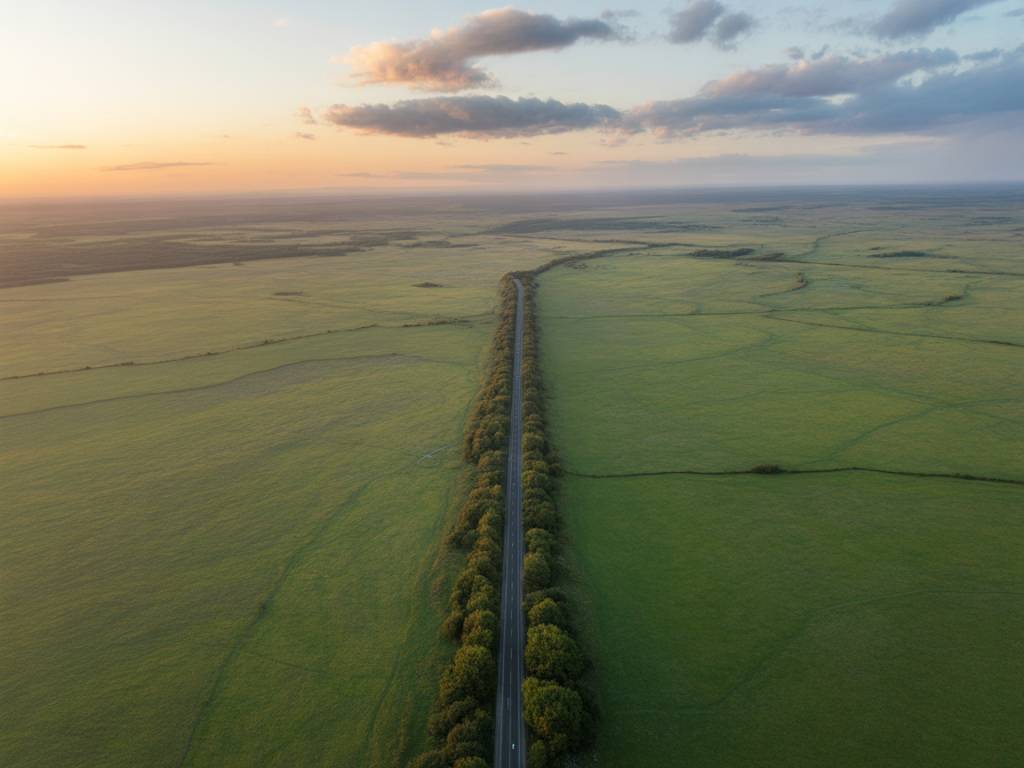
Why Ecological Connectivity Matters in Modern Conservation
Across the world, habitats are being divided by roads, fences, cities, intensive agriculture, dams, and other forms of human development. This process, known as habitat fragmentation, breaks once-continuous ecosystems into smaller and more isolated patches. For wildlife, the result is often reduced access to food, mates, shelter, and breeding grounds. Over time, fragmented landscapes can weaken biodiversity, disrupt migration patterns, and make species more vulnerable to extinction.
One of the most effective strategies for addressing this challenge is the restoration of ecological connectivity through wildlife corridors. These corridors are designed to reconnect fragmented habitats, allowing animals, seeds, and genetic material to move more freely across the landscape. In conservation biology, ecological connectivity is increasingly recognized as a critical tool for strengthening ecosystem resilience, supporting species survival, and maintaining healthy populations in a changing climate.
Wildlife corridors are not a single solution to biodiversity loss, but they are a powerful part of a broader landscape conservation strategy. By improving habitat connectivity, they help protect ecological processes that many species depend on, from seasonal migration to dispersal and genetic exchange. In fragmented landscapes, restoring these pathways can make the difference between isolated populations that decline and connected populations that adapt and persist.
What Are Wildlife Corridors?
Wildlife corridors are natural or restored routes that link two or more habitat areas. They can take many forms, including forest strips, riverbanks, hedgerows, grassland links, underpasses, overpasses, and stepping-stone habitats. The goal is to create safe passage for wildlife moving between otherwise separated ecosystems.
These corridors are not only for large mammals such as deer, bears, or big cats. They also benefit amphibians, reptiles, birds, insects, and plant species whose seeds are transported by animals or wind. In many cases, ecological corridors function at multiple scales, from a narrow strip of vegetation between fields to a large transboundary conservation corridor linking national parks and protected areas.
From an ecological perspective, corridors help reduce the harmful effects of habitat isolation. They provide movement opportunities, support gene flow, and increase the chance that species can shift their ranges in response to environmental change. This is especially important in the era of climate change, when many species need to migrate or adapt to changing temperature and rainfall patterns.
How Habitat Fragmentation Threatens Biodiversity
Habitat fragmentation is one of the main drivers of biodiversity decline. When continuous ecosystems are split into smaller pieces, the ecological balance of those systems changes. Small, isolated patches often support fewer species, and populations within them are more likely to become inbred, decline in genetic diversity, and suffer local extinction.
Fragmentation also creates edge effects. The borders of habitat patches are often hotter, drier, windier, and more exposed to invasive species, predators, and human disturbance than interior habitat. Species that rely on core habitat conditions may struggle to survive in these altered environments. In addition, roads and other infrastructure can create physical barriers that prevent animals from crossing safely.
For migratory species, fragmentation can be especially damaging. If a landscape no longer supports movement across seasons or life stages, species may be unable to reach breeding areas, feeding grounds, or refuges during droughts and fires. This loss of ecological connectivity can ripple through the food web, affecting pollination, seed dispersal, nutrient cycling, and predator-prey relationships.
The Biodiversity Benefits of Wildlife Corridors
Wildlife corridors offer several measurable benefits for biodiversity conservation. First, they enable animal movement between habitat patches, which helps populations remain connected. This movement is crucial for dispersal, colonization of new areas, and recolonization after local extinctions.
Second, corridors promote gene flow. When individuals from different populations can breed, genetic diversity remains higher. Higher genetic diversity generally improves a species’ ability to adapt to disease, environmental stress, and changing conditions. In fragmented landscapes, this genetic exchange can be essential for long-term survival.
Third, corridors can reduce mortality. Road crossings, urban barriers, and agricultural landscapes often expose wildlife to collisions, predation, and human conflict. Well-designed crossing structures and buffer zones can help animals move more safely across human-dominated terrain.
Fourth, corridors support ecosystem services. By aiding pollinators, seed dispersers, and other mobile species, they contribute to forest regeneration, crop productivity, soil health, and watershed stability. In this way, ecological connectivity benefits not only wildlife but also human communities.
- Improved movement between fragmented habitats
- Greater genetic diversity and reduced inbreeding
- Safer migration and dispersal routes
- Enhanced resilience to climate change and habitat loss
- Support for pollination, seed dispersal, and ecosystem function
Designing Effective Wildlife Corridors
Not all corridors are equally effective. Successful wildlife corridor design requires an understanding of species behavior, landscape ecology, and local land use. A corridor must be wide enough, safe enough, and functional enough to support movement across the intended landscape.
Key design factors include vegetation structure, shelter, food availability, and the degree of human disturbance. Some species need dense cover, while others prefer open habitats. Amphibians may require moist, shaded pathways near wetlands or streams, while large mammals may need broad corridors with minimal fencing and low traffic density.
Connectivity planning should also consider the “matrix,” or the surrounding land uses between habitat patches. A corridor does not need to be a perfectly natural strip of land to be useful. Agroforestry systems, wildlife-friendly farms, riparian buffers, and urban greenways can all contribute to ecological connectivity when managed appropriately.
Modern conservation planning often uses landscape connectivity models, GIS mapping, and wildlife tracking data to identify movement routes. These tools help scientists and land managers locate bottlenecks, crossing points, and priority areas for restoration. The result is more strategic investment in biodiversity corridors and more effective conservation outcomes.
Types of Corridors in Fragmented Landscapes
Wildlife corridors can be tailored to different environments and species. In forested regions, reforestation strips and riparian corridors along rivers often provide natural movement pathways. In agricultural landscapes, hedgerows, field margins, and patches of native vegetation can serve as stepping stones for birds, pollinators, and small mammals.
In urban areas, green corridors may include parks, river promenades, green roofs, roadside plantings, and connected open spaces. These urban ecological networks can help species persist in cities while also improving human well-being through cooler temperatures, cleaner air, and access to nature.
For species that must cross roads or railways, engineered structures such as wildlife overpasses, underpasses, and culverts are essential. These crossings have been shown to reduce vehicle collisions and restore connectivity for a range of animals, from amphibians to elk and carnivores.
- Forest corridors linking protected areas
- Riparian buffers and riverine corridors
- Hedgerows and field margins in agricultural landscapes
- Urban greenways and parks
- Wildlife overpasses, underpasses, and culverts
Wildlife Corridors and Climate Change Adaptation
As temperatures rise and weather patterns shift, species are increasingly forced to move in search of suitable habitat. Ecological connectivity is now widely seen as a climate adaptation strategy because it gives wildlife the ability to track changing conditions across the landscape.
Corridors can facilitate north-south or elevational movement, helping species escape heat stress, drought, or altered seasonal cycles. In mountain regions, connected habitats across elevation gradients may allow plants and animals to migrate upward as temperatures increase. In coastal and lowland systems, connectivity can help species relocate away from flood-prone or degraded areas.
This function becomes especially important for species with limited dispersal ability or highly specialized habitat needs. Without connected landscapes, even protected areas may become ecological islands, unable to support populations over the long term. By contrast, a connected network of habitats strengthens resilience and improves the odds of persistence under climate pressure.
Challenges in Corridor Implementation
Although the ecological value of corridors is well established, implementation can be challenging. Land ownership, development pressure, funding constraints, and conflicting land-use priorities often slow progress. In some cases, corridors may cross private property, requiring incentives, partnerships, or conservation easements to secure access and protection.
There is also the risk of designing corridors that look connected on a map but fail in practice. A corridor may be too narrow, too disturbed, or poorly placed for the target species. Some species may avoid using it if it lacks cover or if human activity remains too intense. Careful monitoring is therefore essential to assess whether a corridor is truly functioning as intended.
Invasive species can also travel along corridors, and poorly managed links may inadvertently spread disease or increase predator access. This is why corridor restoration must be paired with ongoing ecological management, native habitat restoration, and species-specific planning.
Examples of Successful Connectivity Restoration
Many regions around the world have already demonstrated the value of restoring ecological connectivity. Large transboundary initiatives have linked protected areas across national borders, supporting species that move across vast ranges. In North America, wildlife overpasses and underpasses have improved habitat connectivity for mammals and reduced road mortality. In Europe, green infrastructure networks are increasingly integrated into regional planning to support biodiversity across farmland and urban areas.
Riparian restoration projects have also proven highly effective. Because rivers naturally connect landscapes, restoring native vegetation along waterways can create multifunctional corridors that support fish, birds, mammals, and insects. These projects often deliver added benefits such as erosion control, water filtration, and flood mitigation.
At the local scale, community-led habitat restoration can be just as important. Replanting native species, removing barriers, and creating small habitat patches between larger ecosystems can strengthen ecological networks and improve movement for many forms of wildlife.
The Future of Biodiversity Conservation Depends on Connected Landscapes
Protecting biodiversity in the twenty-first century requires more than isolated reserves. While protected areas remain fundamental, they must be connected by functioning ecological networks if they are to support dynamic, resilient ecosystems. Wildlife corridors are a practical and science-based way to restore that connectivity.
As conservation priorities evolve, landscape-scale planning is becoming increasingly important. Governments, conservation organizations, landowners, and local communities all have a role to play in building connected landscapes. Whether through habitat restoration, road ecology, urban green infrastructure, or agricultural best practices, each step toward connectivity strengthens biodiversity conservation.
In fragmented landscapes, wildlife corridors do more than move animals from one place to another. They help maintain ecological processes, preserve genetic diversity, and support the adaptive capacity of species facing rapid environmental change. For ecosystems under pressure, connectivity is not a luxury. It is a foundation for survival.